
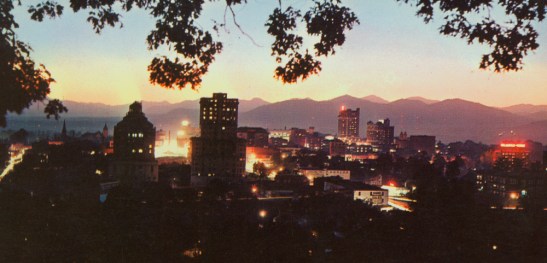

One would have had to live in Asheville before July 1994 to have had a chance to eat at Stone Soup. That’s when they closed, after a seventeen year run. Twenty-two years later, many people still mourn its closure. Their loss is as strong a memory as something long-gone from childhood. The cheddar potato chowder was my favorite. My spouse,
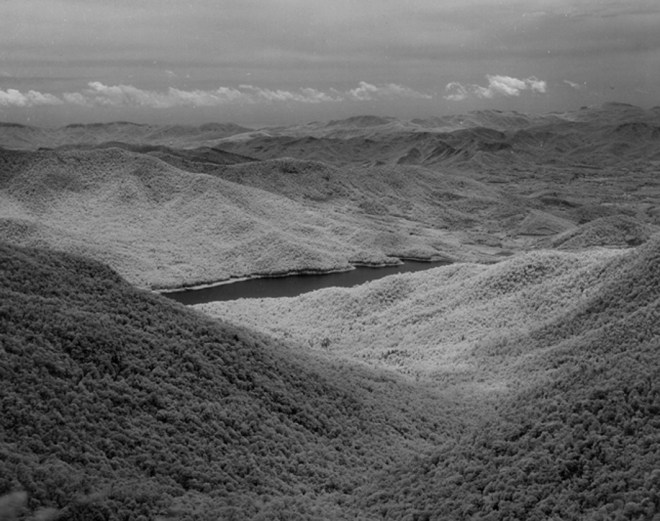
In 1988 concerned residents, mostly from Black Mountain, noticed mass areas of clear-cutting at the Asheville North Fork watershed. The Asheville-Buncombe Water Authority on a split vote had awarded a contract to remove trees on 51 acres at the reservoir. The panorama of the Asheville watershed provided one of the most majestic scenes from the Blue Ridge Parkway before

Behind every nonprofit, there is a story. Perhaps it is the story of a regional healthcare agency that started with two lawn chairs and a card table. Or maybe it’s the story of a few people, banding together to halt mining in the Pisgah and Nantahala forests, who spearheaded an organization dedicated to preserving the
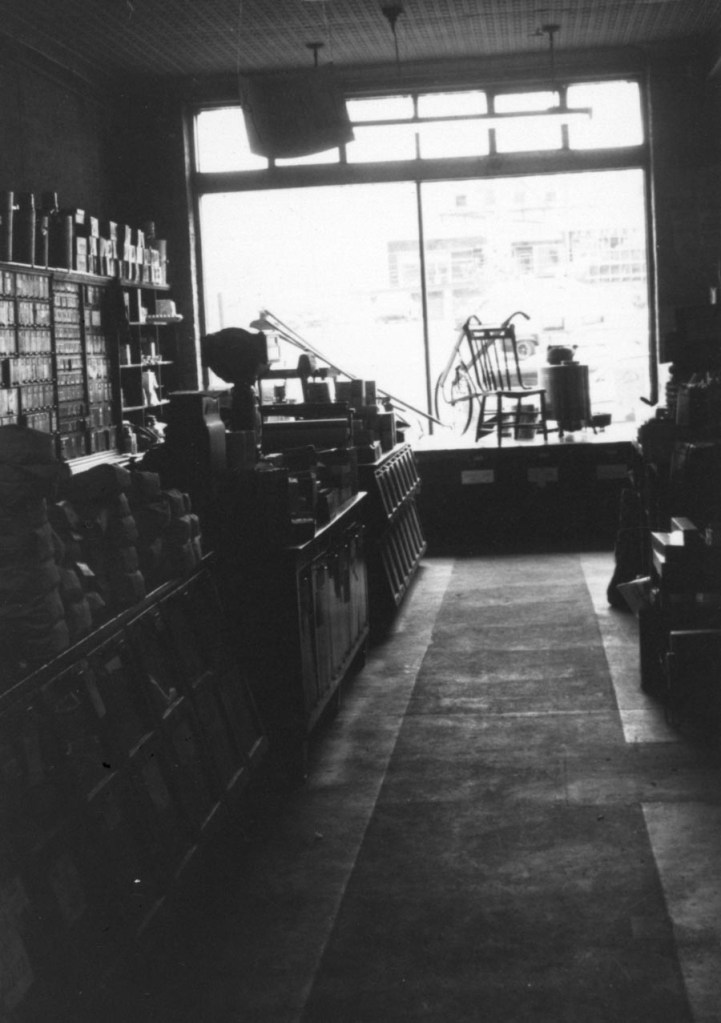
The Asheville Mall opened in 1972 pulling the large department stores with it. When the mall was in the works, the mall developer wrote letters to all of the merchants in Asheville inviting them to consider locating in the new mall. Sears opened first in 1972, with other stores following in late 1973-74: Belk’s, Ivey’s,

As the North Carolina Room looks at what things were happening in Asheville through local business, citizen and government involvement in the 1980s, friends and family have been working to celebrate the life and work of Asheville philanthropist, benefactor and liberal community activist Julian Price. Julian moved to Asheville in 1989 because of its architecture and a feeling. “The
Early Businesses Paved the Way Interesting things were going on in downtown Asheville in the late ’70s and throughout the ’80s. Lower rents and sagging property values lured entrepreneurial/creative small businesses and restaurants to join long-standing small businesses to make downtown the vibrant and viable place we now see around us. O.Henry’s Restaurant opened at
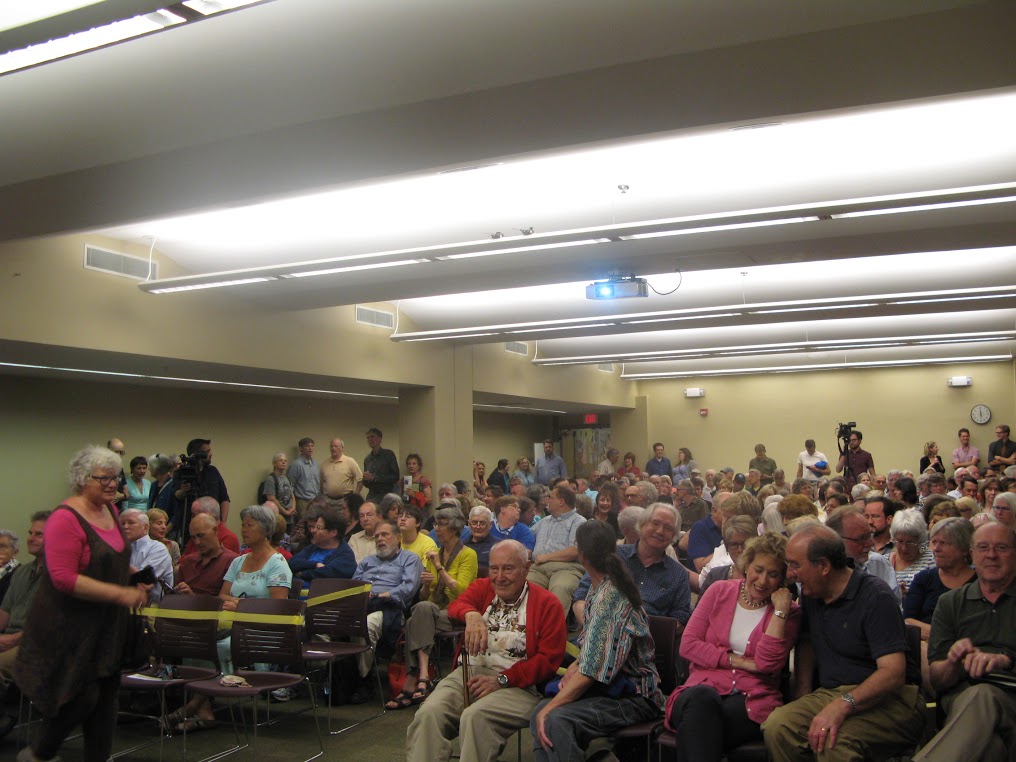
The North Carolina Room, Pack Memorial Library kicked off with a full house the first of a six part series, “Asheville in the 1980s: A Formative Decade Told by Those Who Shaped It” on Wednesday evening April 27. The series is sponsored by the Friends of the North Carolina Room. There was a current of

The North Carolina Room, Pack Memorial Library presents a six part series Asheville in the 1980s: A Formative Decade Told by Those Who Shaped It The first program of the series kicks off Wednesday April 27, 2016 from 6:00 to 7:30 in the Lord Auditorium, lower level. All events are free and open to the public.