
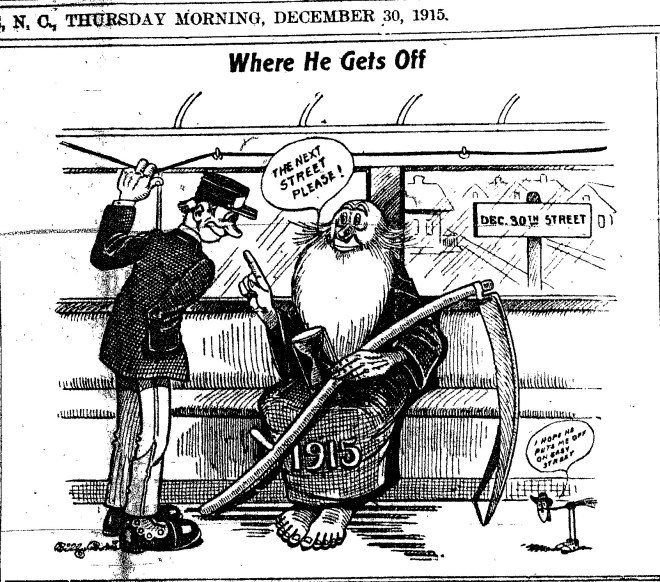

Asheville Citizen’s readers enjoyed decades of cartoons and the political views of “Billy” Borne. Willis “Billy” Gustavus Borne, whose father was from Switzerland, came here from Toledo, Ohio. He became the Citizen’s cartoonist in 1907 and was referred to as Asheville’s Tom Nast. One hundred years ago Borne gives a nod towards the end of 1915. Borne’s cartoons were used by
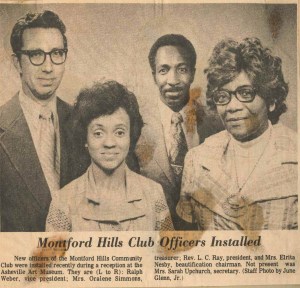
The North Carolina Room recently received a new donation of Montford materials, including photographs, newspaper clippings and early newsletters. In the mid 1970’s Montford and Montford Hill residents rallied together to clean up the neighborhood and to work at renovating houses in need of repair. Work was organized through the Montford Community Club and the Montford Hills Community Club.
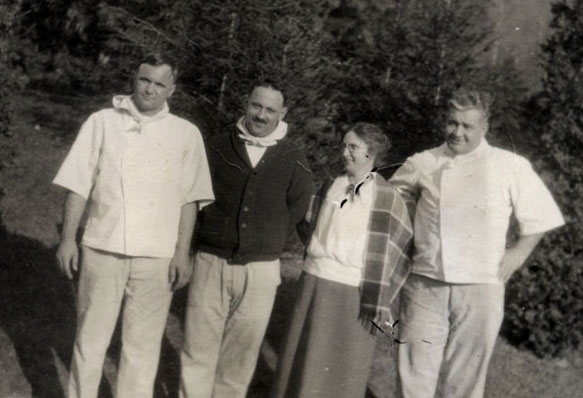
The Buncombe County Community (Night) School’s literacy program was a forerunner in the state to help teach literacy to adults. We wrote about it in a post two years ago, which covered rural Buncombe County citizens being taught to read and write. A not-as-well-known part of the Community School’s program was the Americanization Classes that were held to
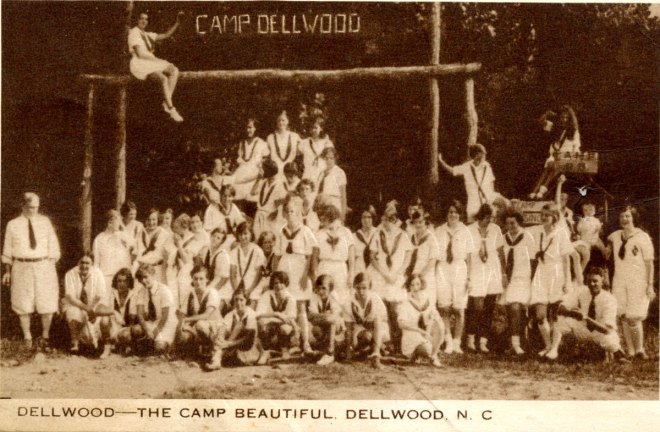
“A lovely spot among the hills, A sky of blue above, And trees that bend in graceful form, These make the camp I love.” -Mary Mitchell Westall Camp Dellwood was established in the 1920s to afford girls aged 9-19 a summer filled with outdoor sports, arts and crafts, socializing, and fun. Under the direction of Mr. and Mrs. George Mason
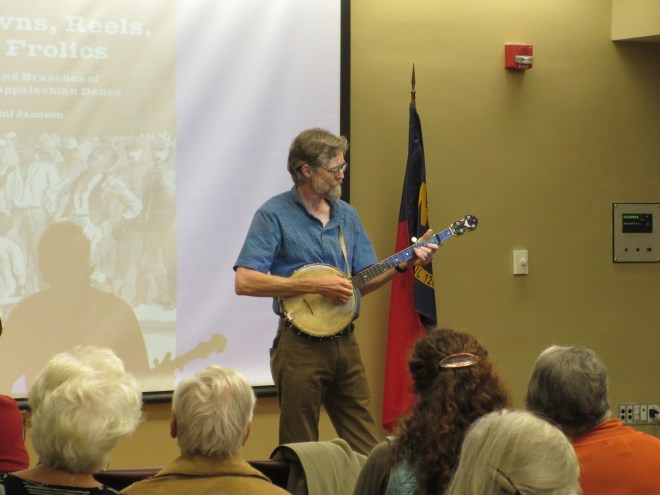
Here’s a hint: Do you know the cultural origins of the banjo? The banjo comes to us from Africa, having been brought to the New World by slaves. This was news to me, although several people in the audience of Phil Jamison’s talk were able to answer the question correctly. What about Southern Appalachian music and
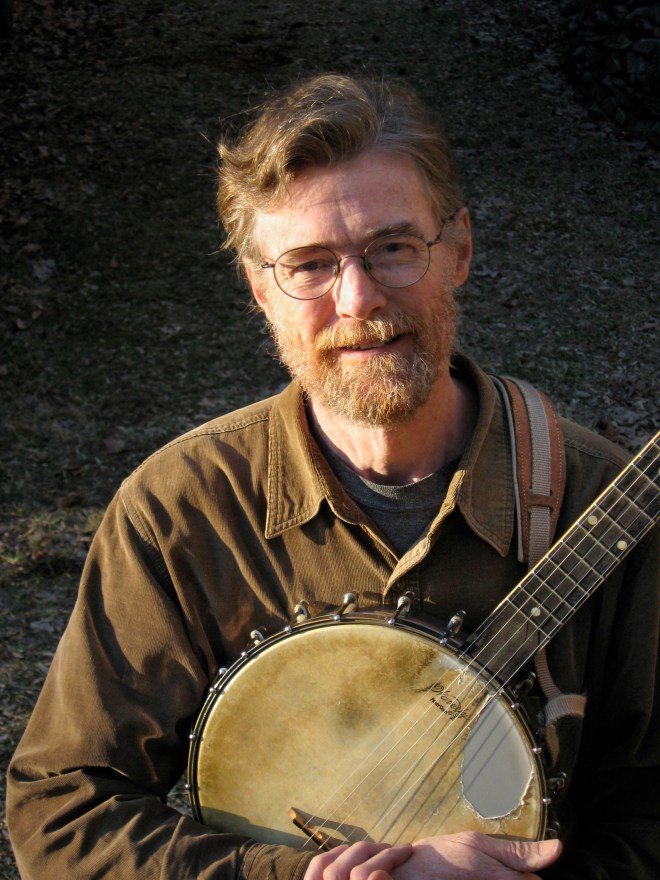
Phil Jamison Talks About Hoedowns, Reels, and Frolics The Roots and Branches of Southern Appalachian Dance Wednesday, October 28, 2015, 6 pm–7pm Pack Memorial Library, 67 Haywood Street Lord Auditorium, lower level Come hear Phil Jamison when he will journey into the past with stories – and a little music and dance– telling the history
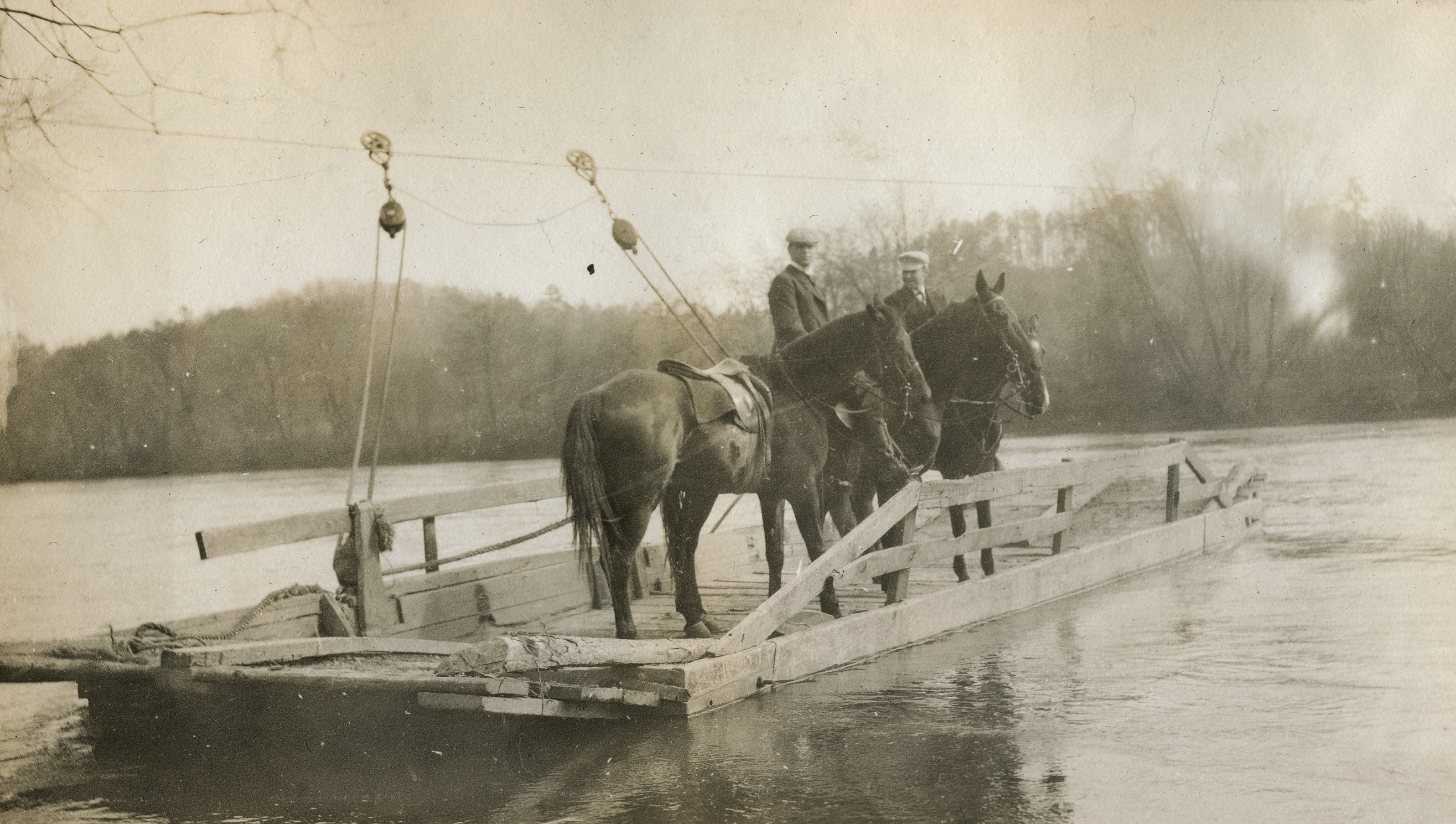
Before there were bridges across the French Broad River, there were ferries. And then there were no bridges across the river, according to F.S. Sondley in A History of Buncombe County North Carolina, when in “1865 the Yankee invasion up the French Broad River burned the bridges at Alexanders and at what is now Craggy.
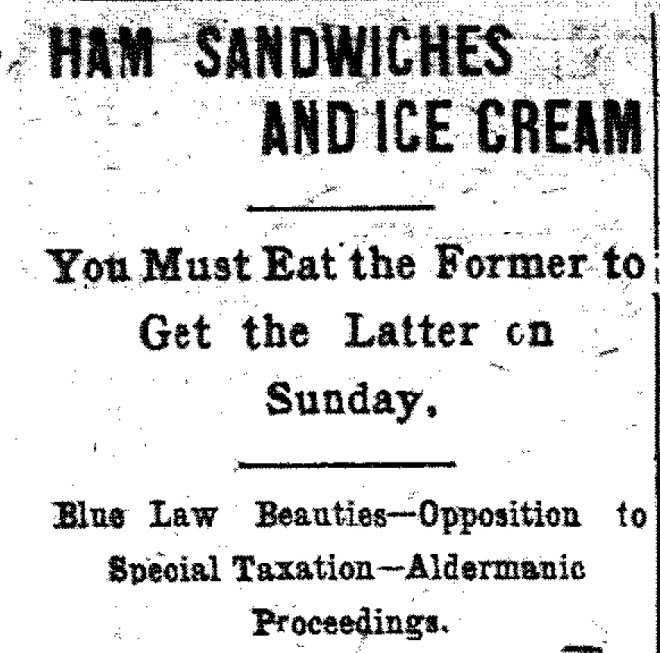
What were Asheville’s Sunday Blue Laws? They are a little hard to pin down and they changed over time. Sunday legislation in general featured the idea of “rest for toilers and the assurance of avoiding giving offense by noise and tumult.” Many cities and states had them, and some still do. It is still illegal to sell
One of the more unusual aspects of public library service in Buncombe County is the existence of two library/ recreation center/fire station facilities in the City of Asheville. I know of no other locality in North Carolina with similar buildings. There are a few library and recreation center combinations and at least one library emergency