
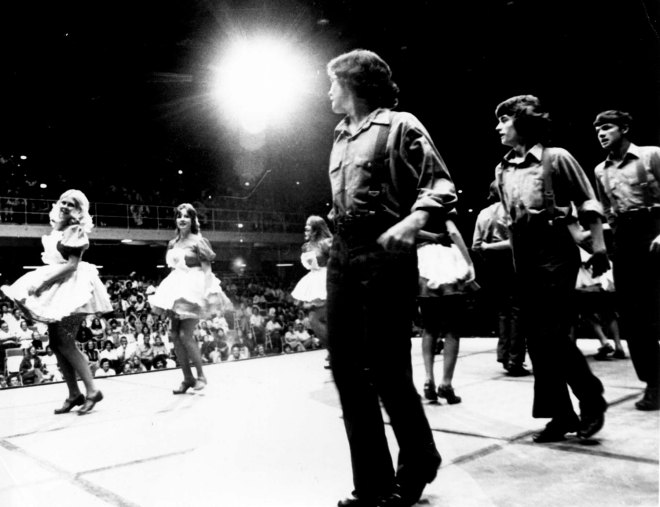

The Mountain Dance and Folk Festival: “Since 1928, mountain fiddlers, banjo pickers, dulcimer sweepers, dancers, balladeers and others have come to enjoy themselves “along about sundown” the first weekend in August at the Mountain Dance and Folk Festival. This year marked the 87th festival. 1928: Asheville, North Carolina. Well-known musician and folk historian Bascom Lamar
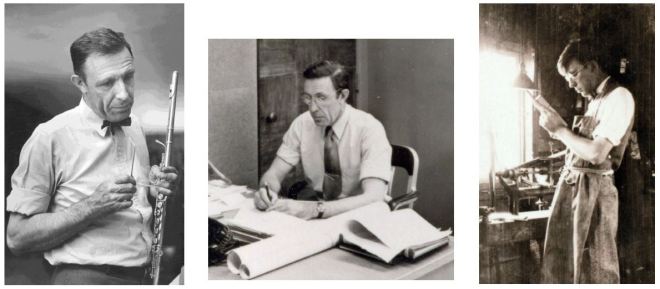
Special Exhibit in the North Carolina Room August 1 through 31 Anthony Lord: Artist, Architect, Craftsman In conjunction with the month long Anthony Lord exhibit, Pack Memorial Library will present “Let’s Talk About Anthony Lord” on Thursday, August 28th at 6pm The North Carolina Room at Pack Memorial Library remembers the many talents of Asheville
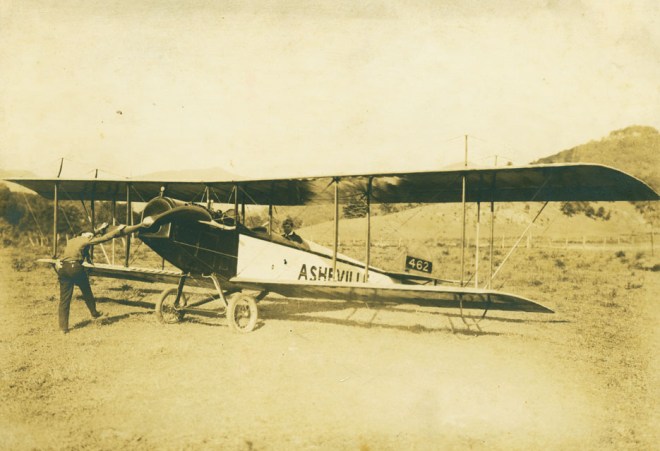
We recently returned from St. Petersburg, FL to Asheville on Allegiant Airways. One hour and twenty minutes. No stops. Lovely. We had a clear day and were able to identify a number of landmarks as we came in for our (on-time) landing. It made me wonder about the earlier days of flying in this mountain
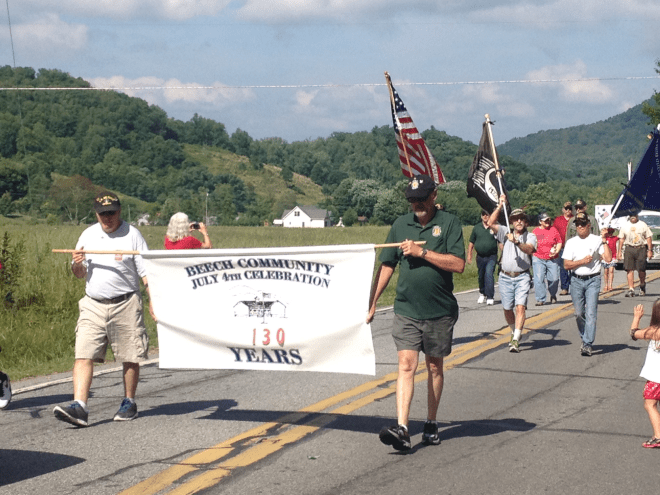
Beech is a community in north Buncombe County six miles up Reems Creek Road — 14 miles from Asheville. It is formed by the junction of Maney Branch and Reems Creek and was named after the beautiful grove of Beech trees growing there. A resident back in 1894 wrote to the editor of the Asheville newspaper saying
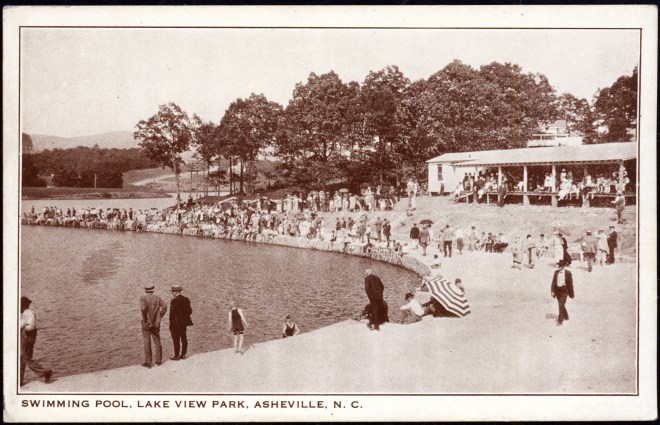
What a pool it was, too. An acre in size, the pool opened July 17, 1924. At the time it was said that the pool “is clearly among the largest, and costliest in America.” Masonry walls of massive granite enclosed the pool. “The water was continuously filtered, chlorinated, aerated and introduced to the pool through an attractive grotto
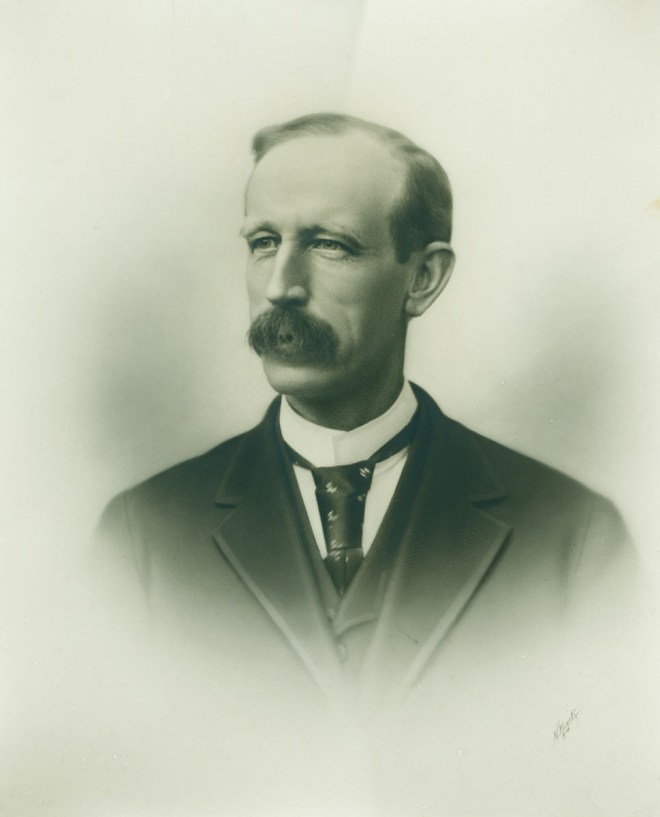
On October 8, 1907, Thomas Walton Patton wrote in his diary, “Election over—bad conduct on part of prohib [prohibition] ladies—very distressing.” Thomas Walton Patton, the third generation of Asheville’s Patton family, was born in Asheville in 1841 and served in the Confederate Army, 1861-1865. The city elected him mayor in 1893 and 1894. Like his grandfather
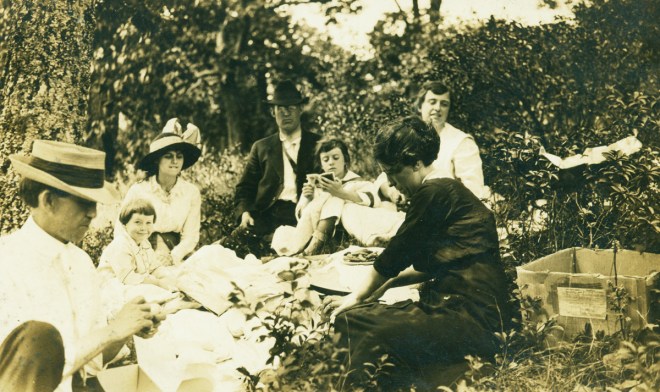
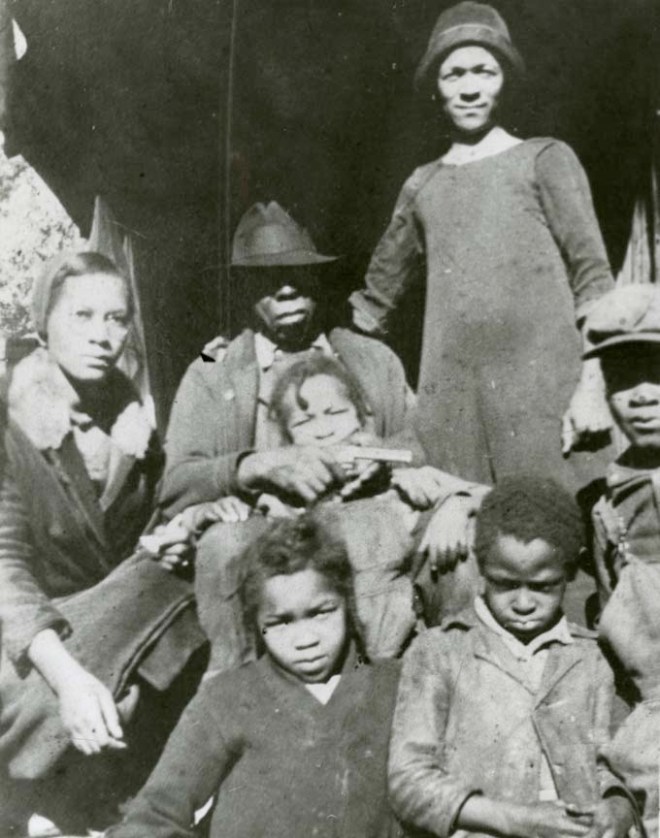
Alfred and Flora Bowditch and their five children, circa 1935. Buncombe County Special Collections, F048-DSa, courtesy Ella Mae Bowditch Waters. A portrait like this one suggests a fascinating story, and in this case we were fortunate to receive the photograph from someone who could satisfy our curiosity about this family. The young woman on the
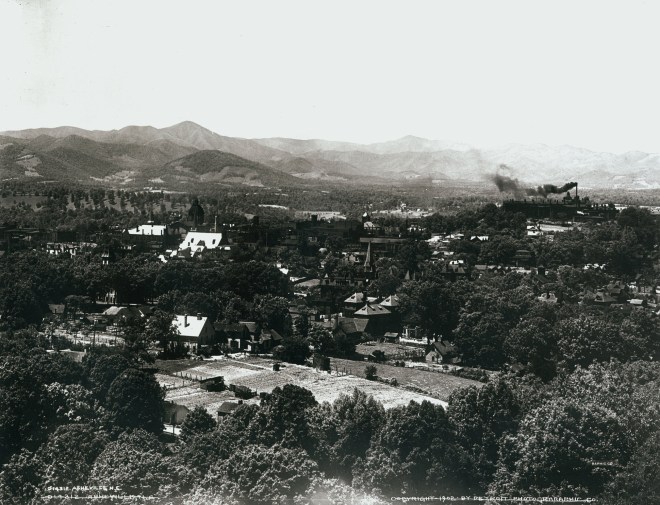
Currently on view in the North Carolina Room William Henry Jackson (1843-1942), was one of the earliest and most important American photographers. From 1869 to 1878 he was the official photographer for the U.S. Geological Survey of the Territories. Jackson’s images of the Rocky Mountains, especially of the Yellowstone region, taken in 1871 and widely published,