
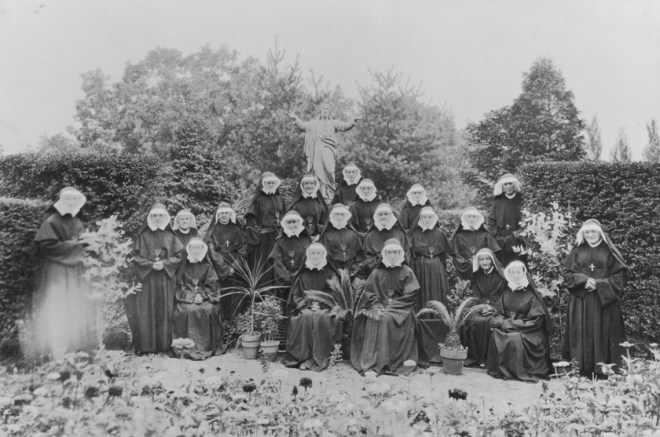

Asheville once had a flourishing system of parochial primary and secondary schools. Catholic schools reached their peak in both number of schools and enrollment in the 1950’s and 1960’s and then went into a quick retreat in the 1970’s. Declines in religious vocations greatly reduced the availability of nuns and priests to staff the schools
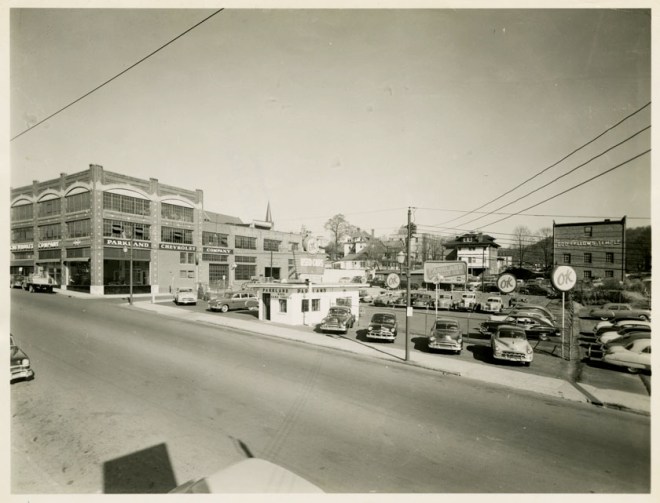
Asheville’s First Motor Mile was downtown’s Coxe Avenue. A new motor mile has emerged in recent years along Brevard Road in West Asheville, but in the 1950’s and 1960’s, the peak years of the American automobile industry and the years remembered for the hype of the annual model change, Coxe Avenue was the place for checking
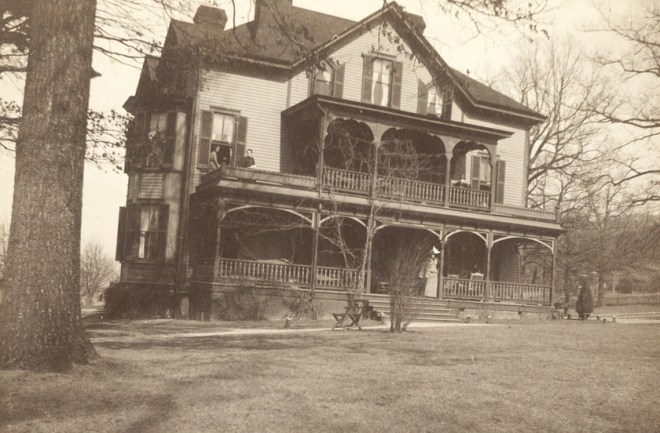
We have been posting on this blog about Tourists’ Camps and Tourists’ Courts. In case I dismissed Tourist Homes too quickly, I decided to make amends. They existed longer than I first thought, and probably did a lot to help with boarding for tourists. And besides that, they most likely provided a very good income for
Fearing that tourist courts were fast disappearing, Library Director Ed Sheary and North Carolina Room staff Ann Wright, Zoe Rhine, and Peggy Gardner made a Tourist Court Expedition in August 2000. Our aim was to document as many tourist courts and their signage as we could in the day. Major roads coming into Asheville were surveyed for remaining motor or
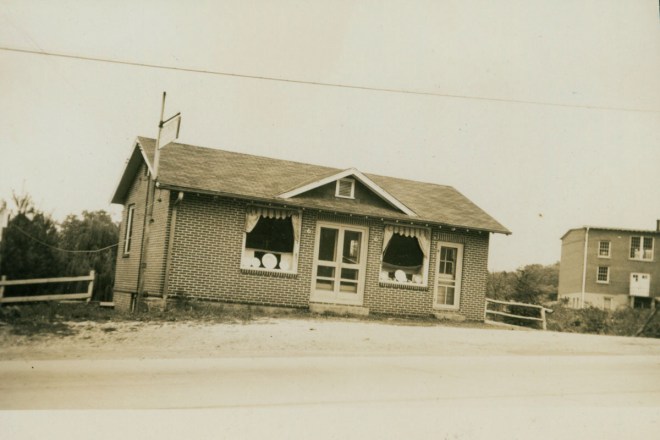
Who were the early tourist pioneers and where did they stay? Before there were tourists’ courts, there were automobile tourists’ camps. They were most typically, in this area, cabins or shacks. “Tourists’ Camps” found its own subject listing in the business section of the Asheville city directories in 1936, which listed three camps:”Babblin Brook” on the Weaverville
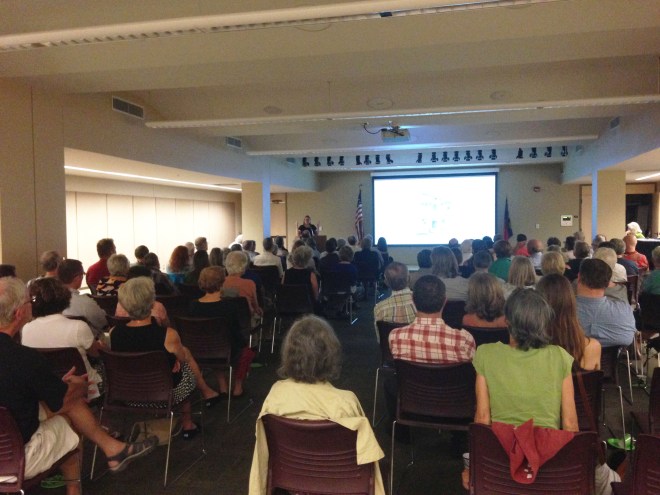
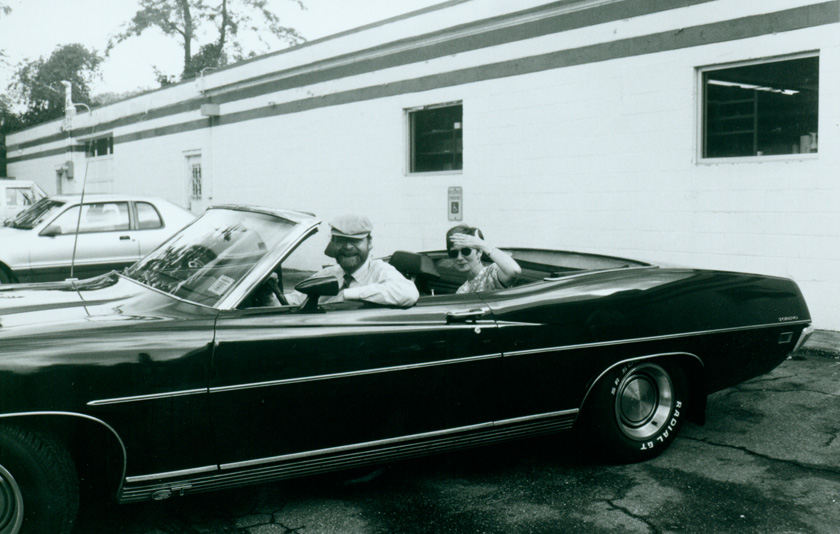
The Friends of the North Carolina Room sponsored a presentation, “Let’s Talk About Anthony Lord” on Thursday, August 28, 2014. Seventy-five people attended the event and got to know more about Lord’s life, profession, his many avocations and the effect his life had on Asheville. It is a hard task to recount what five close

“Skyline Dairy was clean, modern, and cool. We would have cones of lemon sherbet after a Sunday afternoon drive. Most often we ate in the car, probably because it kept my brother and I quiet and contained for a few minutes. Always loved that facade — another example of short-lived good modern architecture, now
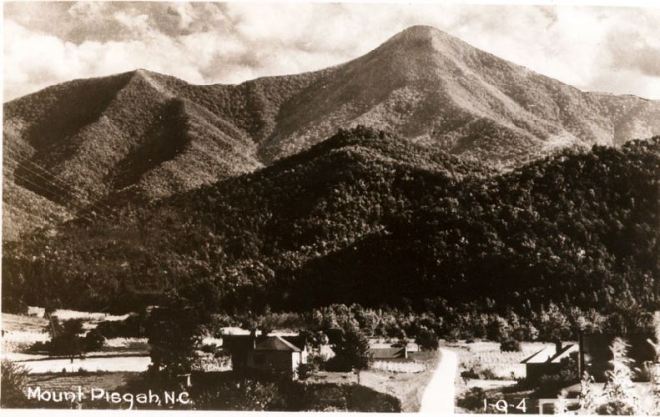
A couple of weeks ago we were fortunate to receive a donation of Bernard Elias material. Bernard was a photographer, filmmaker, world traveler, avid hiker, and a fierce advocate for nature conservation in the Southern Appalachian Mountains. Bernard was born in 1918 and grew up in Biltmore Forest. His family home provided a great vantage point for him