


One of the in-person programs NC Room staff were really excited about was our second annual series of “Strolling Through History” tours in downtown Asheville. They were planned to happen once a month from April until September, but alas, COVID-19 changed everything. Fortunately, however, the NC Room was lucky enough to host two wonderful interns

How often have you driven on Hendersonville Road and wondered what this or that site used to look like before twenty-first century development? Let’s look at one address: 866 Hendersonville Road. This is what you see today. 866 Hendersonville Road was originally owned by Frank Mears. In 1945 Reginald O. Dodd purchased the stone building.


In Part One we focused on Stephens’s work as a principal and teacher in the Asheville City Schools and as the organizer and first general secretary of the Young Men’s Institute (YMI). In this new post, we’ll look at the events that led to Stephens’s departure from Asheville and the work he and his wife

A few months ago some questions arose about a couple photographs in the North Carolina Room’s Special Collection. They show a group of African-American masons erecting a wall up against a building with a large “Drink Pepsi-Cola” sign painted on it. Zoe asked me if I could confirm the details in the description. Here’s part

This post begins the two-part story of Edward Stephens and his work in Asheville and other cities. Although Stephens wasn’t one of the original five black teachers when the Asheville public schools opened in January 1888, he came to the system two years later and made lasting contributions to the black community as a teacher,
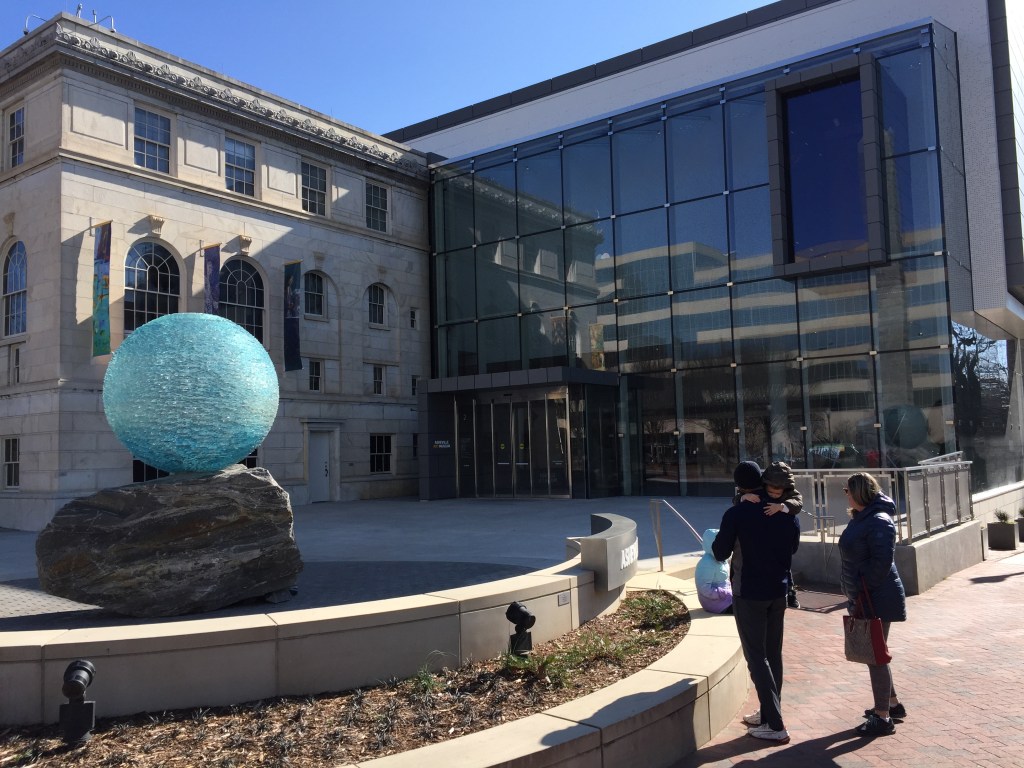

This installment offers a look at the life and career of the fifth of the five original teachers at Asheville’s first black city school, Beaumont Street. We’ve saved one of the best teachers for last. We’ve also included information on the members of her family because of their prominence in Asheville and their connections to