


On exhibit at Pack Memorial Library: “Folk Art of Southern Appalachia.” “Folk artists thrive in North Carolina, evolving through self-instruction and emulation of the work of others as well as upholding traditional methods of craft passed down through the generations.” “While a consensus definition is difficult, folk art generally refers to work done by untrained,

HeardTell followers will have a surprise when they pick up the Nov. 30, 2016 issue of Mountain Express. The cover story trumpets the inclusion of the Influential Eight, “some of those lesser-known folks who are quietly doing important work in the Asheville area.” Among those eight is North Carolina librarian Zoe Rhine. Read it and

HeardTell, the North Carolina Room blog was born on July 7, 2013 at Pack Memorial Library, Asheville, North Carolina. HeardTell‘s mother was Susan Toole and she was assisted in the delivery by N.C. Room staff Ann Wright, Betsy Murray and Zoe Rhine. Susan was working at Pack as an intern for her library degree. For one

Sometimes, everyone while driving down a street–like Haywood, Charlotte, Merrimon or Patton Avenue, names so common–stops and wonders about the name. “I wonder who Charlotte Street was named for? And sometimes, there are streets that wondering where the name came from is the last thing in the world anyone would think about. Like Page Avenue.

Early one Monday morning in September, 1910, news reached Asheville that Mr. Herbert B. Race and his “mechanician” J. E. McCants had arrived safely in Greenville, South Carolina, and were expected to reach downtown Asheville by noon that day. The two had departed from Jacksonville, Florida, at the crack of dawn on Saturday, attempting a

The photographer only had about 30 days to get the above interesting picture. This is what’s missing. The building above as it appeared in 1909 as the Asheville Library building at 4 Pack Square South. It was for many years before that known of as the First National Bank Building. In 1889 the bank purchased two small brick buildings that predated
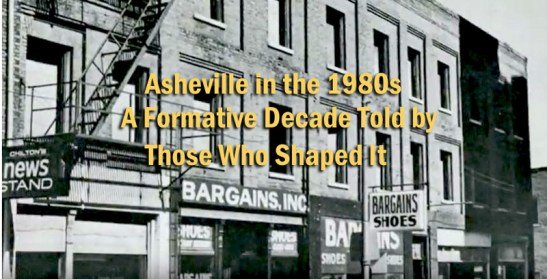
Throughout this past summer, the North Carolina Room at Pack Memorial Public Library presented a six-month series exploring “Asheville in the 1980s.” The series delved into the impetus for, and lasting results of, the City’s transformation during that critical decade. The programs attracted large and sometimes overflow crowds to Lord Auditorium. Now the entire six-program

Be sure not to miss this last program of the series! Incredible panelists and an engaging topic, and extremely relevant today. When we were planning this series last winter, we all saw Peggy Gardner’s “The Wrap” as a metaphor for the series. This program hopes to encircle all of the topics of this series.
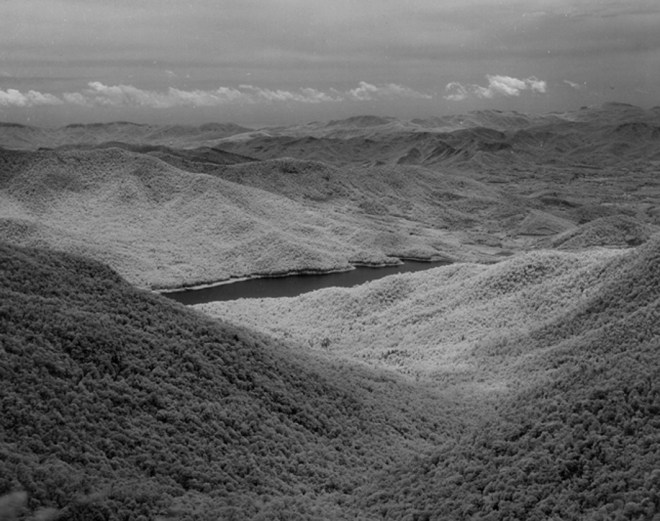
In 1988 concerned residents, mostly from Black Mountain, noticed mass areas of clear-cutting at the Asheville North Fork watershed. The Asheville-Buncombe Water Authority on a split vote had awarded a contract to remove trees on 51 acres at the reservoir. The panorama of the Asheville watershed provided one of the most majestic scenes from the Blue Ridge Parkway before