
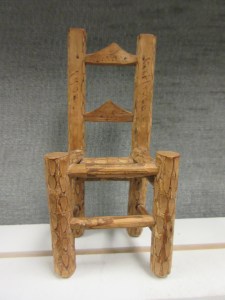

The Appalachians have long been noted for the rugged individualism of their inhabitants. The terrain was and is difficult, limiting its occupants’ employment. In the late nineteenth and early twentieth century the area was conducive to small farms, cottage industries and the lone artisan. With rhododendron, mountain laurel, chestnut, hickory, willow and oak prevalent in

Malaprop’s Book Store and Cafe isn’t where it started out. The book store opened in 1982 at 61 Haywood Street. O’Henry’s Bar and Restaurant was next door at 59 Haywood Street. It might help newcomers to town to know that these two sites are the current homes of Southern Charm Boutique (which recently replaced Origami Ink) and Sensibilities Spa. As Malaprop’s owner
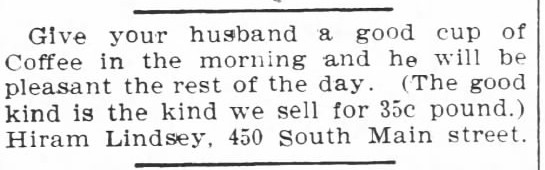
Hiram Lindsey’s General Store was on the east side of South Main Street, (#450 then, later #458), now Biltmore Avenue, near Victoria Road. Mr. Lindsey standing in front. Note advertising placards for Ivory Soap and Toasted Corn Flakes. Hiram, born in 1876, moved to Asheville with his mother, Sarah and at least two of his younger siblings
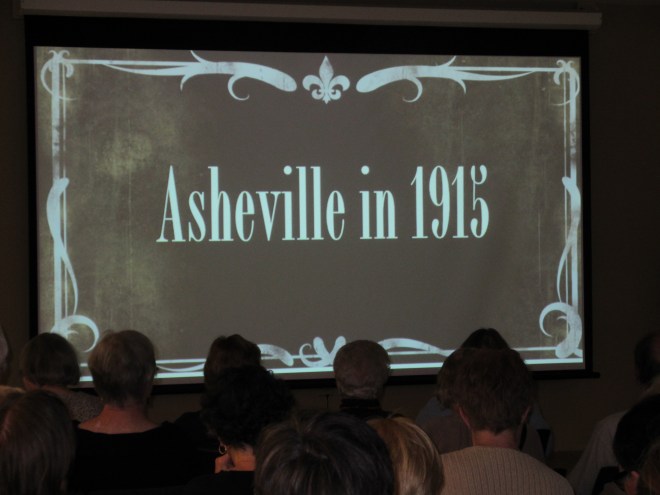
Jon Elliston opened his “Asheville in 1915” talk by appearing in period costume dressed as a “newsie” with a newspaper delivery bag slung over his shoulder, and walked up the aisle hollering out the news headlines of the day while passing out copies of a 1915 Asheville Citizen front page. All one hundred and fifty enthralled attendees were suddenly transported to
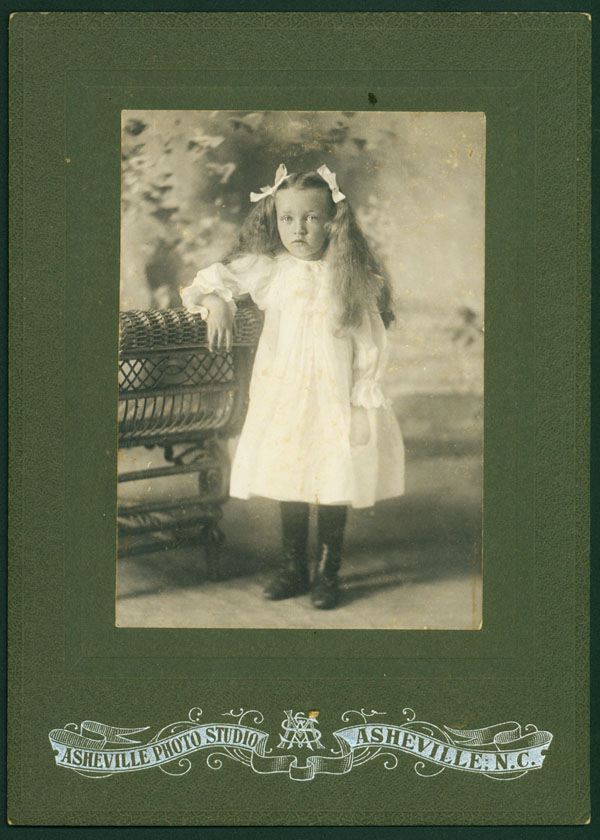
Last week’s post on Asheville photographer James M. McCanless made mention of James’s brother, Samuel Alonzo McCanless, winning a marble angel from William O. Wolfe in a poker game. That’s a story unto itself. Samuel, also a photographer, was born in 1859 in McDowell County and died March 6, 1923. The two brothers are listed together
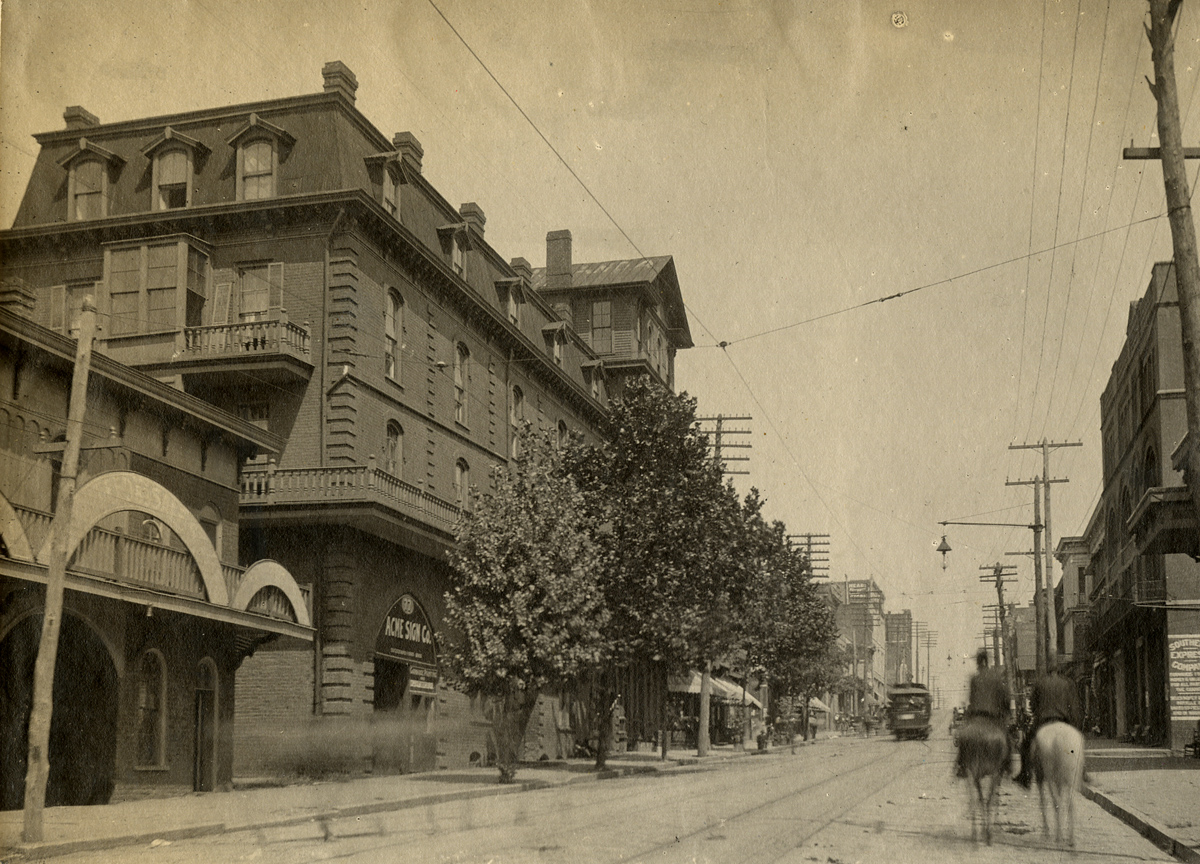
The story goes like this: The North Carolina Room’s very own Friends of the North Carolina Room board member, Jon Elliston, published an article Thursday January 15th on Carolina Public Press about a 1904 photograph album that was sent to the NC Room by a woman in Albany, New York. She had found the album in a box of Albany
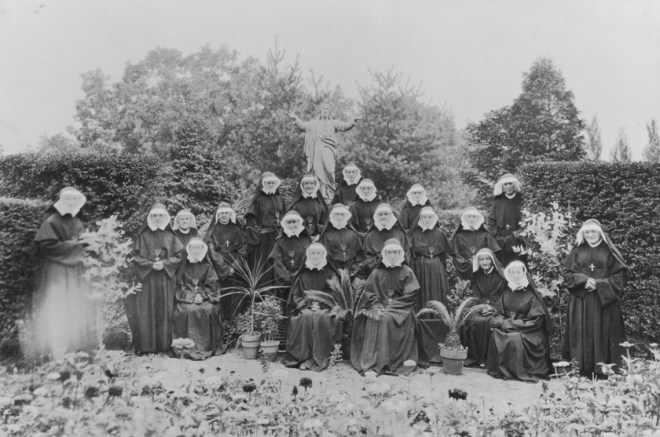
Asheville once had a flourishing system of parochial primary and secondary schools. Catholic schools reached their peak in both number of schools and enrollment in the 1950’s and 1960’s and then went into a quick retreat in the 1970’s. Declines in religious vocations greatly reduced the availability of nuns and priests to staff the schools
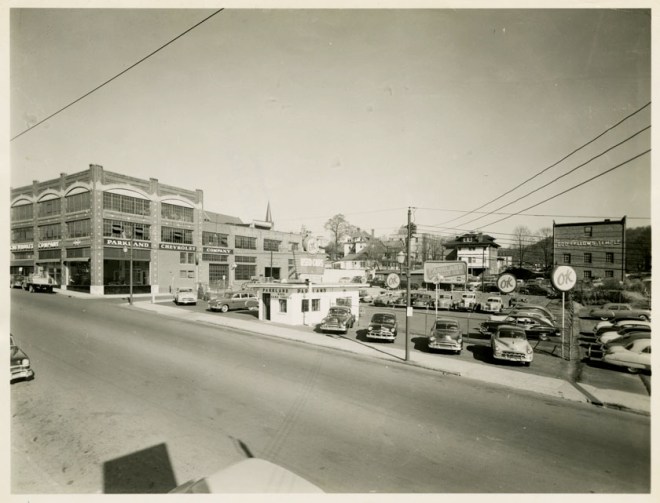
Asheville’s First Motor Mile was downtown’s Coxe Avenue. A new motor mile has emerged in recent years along Brevard Road in West Asheville, but in the 1950’s and 1960’s, the peak years of the American automobile industry and the years remembered for the hype of the annual model change, Coxe Avenue was the place for checking
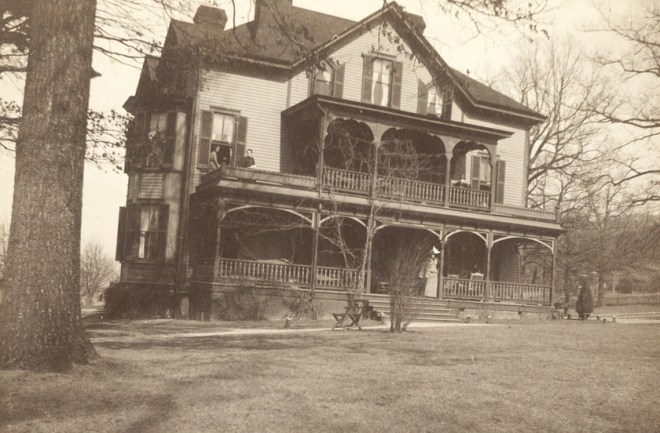
We have been posting on this blog about Tourists’ Camps and Tourists’ Courts. In case I dismissed Tourist Homes too quickly, I decided to make amends. They existed longer than I first thought, and probably did a lot to help with boarding for tourists. And besides that, they most likely provided a very good income for