Buncombe County Special Collections
  • Home
  • About
    • About Us
    • About the Collection
    • Friends of BCSC
  • HeardTell Blog
  • Search our Collections
  • Resources for Researchers 
  • Programs & Projects
    • Equity Initiatives
    • Land of the Sky 101
    • Community Archives
    • Carolina Record Shop
    • Personal Archiving
    • Oral History
  • Upcoming Events
  • Plan a Visit
  • Contact
© Buncombe County Special Collections. All rights reserved.
  • 0
packnc
Friday, March 13, 2020 / Published in African Americans, Education, Local History

A Most Exceptional Man: The Conclusion of the Edward S. Stephens Story

The first two posts in this series traced Edward Stephens’s career from St. Louis to Asheville to Topeka.  We saw him succeed as well as fail as he tried to lift up his race with his work in schools and black YMCAs.  This new post brings the story to a conclusion by looking at how
African American HistoryAfrican American SchoolsAfrican AmericansBlack EducationBlack SchoolsBlack TeachersBooker T. WashingtonBridgeport ConnecticutEdward S. StephensIzie Reddick StephensKansas Technical InstituteSegregationStephens-Lee Alumni AssociationStephens-Lee High SchoolTopekaTopeka Industrial Institute
  • 2
packnc
Thursday, March 05, 2020 / Published in African Americans, Asheville History, Education, Local History

A Most Exceptional Man: The Edward S. Stephens Story (Part Two)

In Part One we focused on Stephens’s work as a principal and teacher in the Asheville City Schools and as the organizer and first general secretary of the Young Men’s Institute (YMI).  In this new post, we’ll look at the events that led to Stephens’s departure from Asheville and the work he and his wife
African American EducationAsheville Free KindergartenAsheville School CommitteeBlack EducationBlack TeachersCatholic Hill SchoolCharles McNameeEdward S. StephensIndustrial and Educational Institute of TopeksInstitute for Colored YouthIzie RiddickKansasStephens-Lee High SchoolTopekaTopeka Industrial InstituteW. W. WestYMI
  • 1
packnc
Wednesday, February 19, 2020 / Published in African Americans, Asheville History, Education, Local History, Photograph Collection

A Most Exceptional Man: Edward S. Stephens (Part One)

This post begins the two-part story of Edward Stephens and his work in Asheville and other cities.  Although Stephens wasn’t one of the original five black teachers when the Asheville public schools opened in January 1888, he came to the system two years later and made lasting contributions to the black community as a teacher,
African American SchoolsAsheviile School CommitteeBeaumont SchoolBlack Elementary EducationBlack SchoolsBlack TeachersCatholic Hill SchoolEdward S. StephensMountain Street SchoolMt. Zion Missionary Baptist ChurchSegregated SchoolsStephens-Lee High SchoolYMI
  • 2
packnc
Wednesday, January 08, 2020 / Published in African Americans, Asheville History, Education, Local History, Photograph Collection

Asheville’s First City Schools for Black Students, Part five: Builders of Black Schools (concluded)

This installment offers a look at the life and career of the fifth of the five original teachers at Asheville’s first black city school, Beaumont Street. We’ve saved one of the best teachers for last. We’ve also included information on the members of her family because of their prominence in Asheville and their connections to
African American EducationAmanda WalkerBeaumont SchoolBeaumont Street SchoolHester Walker Ford LeeJohn Wakefield WalkerSegregationWillie DodsonWillie Holt
  • 2
packnc
Saturday, January 04, 2020 / Published in 52 Weeks 52 Communities, African Americans, Asheville History, Buncombe County History, Houses, Local History

Confronting the Legacy of N.W. Woodfin: 52 Weeks, 52 Communities

The Woodfin community, like many other Buncombe County communities is named for a man who enslaved human beings. If you’ve followed along in this series, you’ve probably recognized that to be a common theme among communities; they’re named for people of extravagant wealth. Wealth earned on the backs of enslaved black people. Indeed, our county
52 Weeks 52 CommunitiesAfrican AmericansAppalachiaBuncombe CountyBuncombe County HistoryCivil WarCommunity HistoryEducationenslaved peopleEnslavementlaborlawyersLocal HistoryNicholas WoodfinRailroadsSlaverySlavery in Buncombe CountyWoodfin
  • 0
packnc
Friday, December 27, 2019 / Published in 52 Weeks 52 Communities, African Americans, Asheville History, Local History, Photograph Collection

Southside: 52 Weeks, 52 Communities

Henry Robinson wrote in 1992 about his childhood community of Southside–a mournful eulogy really, to a place that no longer exists–that the sprawling community “stretched over 400 acres from Biltmore Avenue westward to the French Broad River.” Robinson informs us today that it was “the largest residential area for African-Americans in Asheville and a melting
52 Weeks 52 CommunitiesAfrican American HistoryAfrican AmericansBrett SpiveyClaude ColemanCommunity HistoryGreen BookRabbit's Motel and RestaurantSoundSpaceSouthsideSouthside NeighborhoodSouthside RisingUrban Renewal
  • 3
packnc
Thursday, December 19, 2019 / Published in African Americans, Forgotten People, Local Heroes and Heroines, Local History, Photograph Collection

ASHEVILLE’S FIRST CITY SCHOOLS FOR BLACK STUDENTS, Part Four: Builders of Black Schools (Continued)

In our last post in this series on early black public schools, we looked at the lives and careers of Harrison B. Brown and Daniel Cato Suggs, two of the original five teachers who opened Beaumont School on January 9, 1888. This new post profiles two more of these teachers, Edward H. Lipscombe and Mary
African American early educationBeaumont SchoolBlack Education in AshevilleE. A. LlipscombeMary DicksonMary Dickson Harris
  • 4
packnc
Tuesday, December 17, 2019 / Published in 52 Weeks 52 Communities, African Americans, Asheville History, Buncombe County History, Friends of the NC Room, Local History

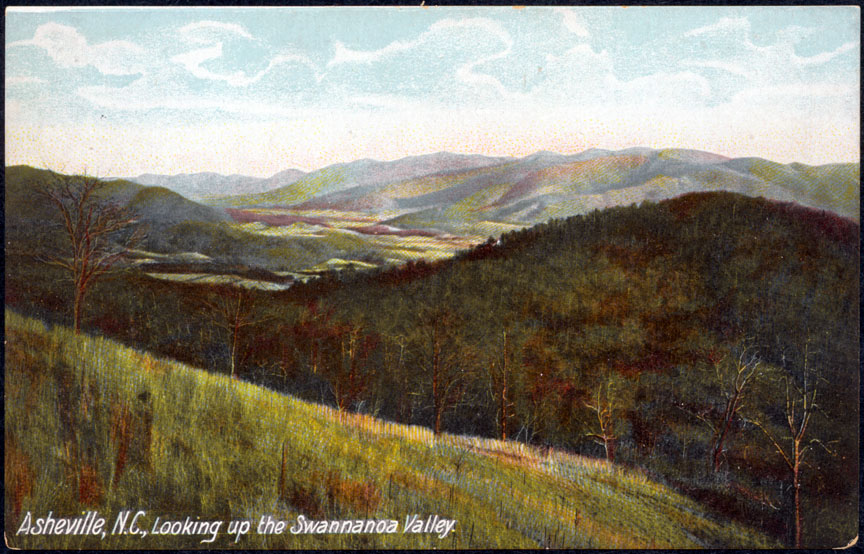
Swannanoa: 52 Weeks, 52 Communities

I volunteered this week to create the post for Swannanoa in part because it has been my home for the majority of my life. I was educated in grades 1-12 in “the Valley” (as you will hear natives often call the community including Black Mountain and Ridgecrest). In the 20th century, Swannanoa was transformed by
BeaconBeacon BlanketsBuncombe CountyCharles D. OwenCommunity HistoryLocal HistoryManufacturingMill TownMill VillageRural HistorySwannanoaSwannanoa River
  • 4
packnc
Monday, December 02, 2019 / Published in African Americans, Asheville History, Buncombe County History, Education, Forgotten People, Local Heroes and Heroines, Local History, Photograph Collection

ASHEVILLE’S FIRST CITY SCHOOLS FOR BLACK STUDENTS, Part Three: Builders of Black Schools

The Creation of a Public School System for the City of Asheville, 1887-1888 Setting Up the System and Hiring the Teachers Asheville Times, July 29, 1887: “Graded School Carried: Asheville Keeps to the Front By a Very Close Squeeze” “We need not multiply words to express pleasure at the result of the election yesterday on
African American HistoryAfrican AmericansAppalachiaAshevilleAsheville City School CommitteeAsheville City Schools for blacksBeaumont SchoolBlack AshevilleBuildersBuncombe County HistoryContractorsCraftsmenD. C. SuggsDaniel Cato SuggsE.H. LipscombeEast EndEducationH. B. Brownisaac DicksonMary DicksonPrimary EducationSecondary EducationSegregated Education in AshevilleSouthside
  • 1
  • 2
  • 3
  • 4
  • 5

Search Our Site

Categories

Subscribe to Blog via Email

Enter your email address to subscribe to this blog and receive notifications of new posts by email.

Join 1,807 other subscribers
TOP
Loading Comments...